Joint Pain & Stiffness

Understanding Joint Pain & Stiffness

The human body is an amazing thing. Beneath the layers of skin and tissue is the skeletal system, which is made up of bones and anywhere from 250 to 350 joints depending on the person. Joints are found everywhere from our toes to our necks, and essentially, the entire spinal column is made up of cartilaginous joints.

Without joints, movements would be practically impossible, so when you have specific types of joint pain, it can really have a detrimental effect on your everyday life. From the knees and hips to the elbows and spine, we can help relieve your joint pain.

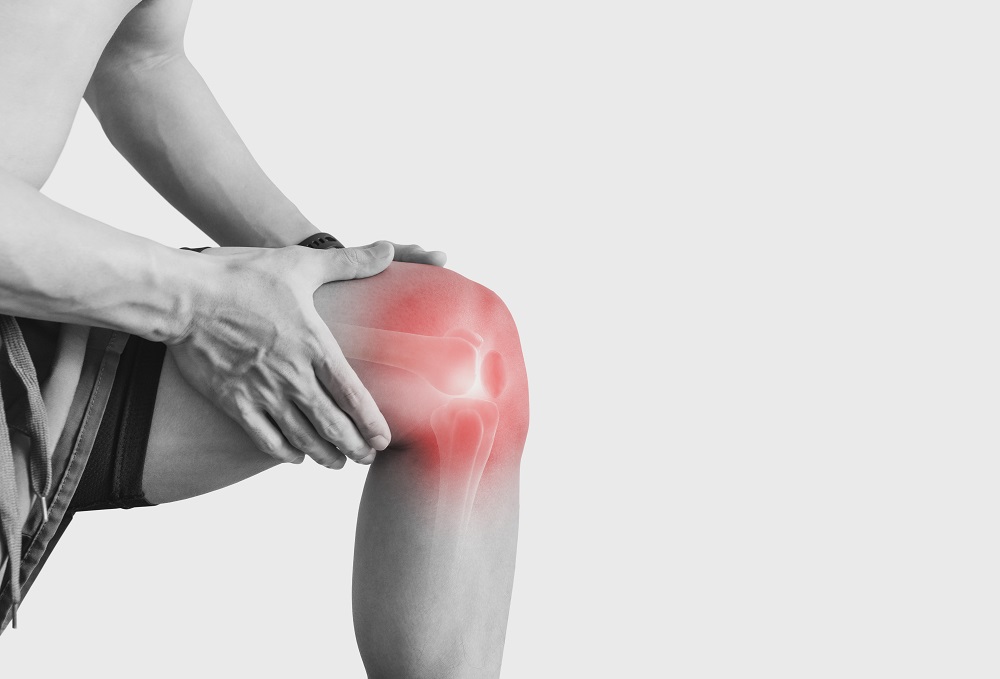
Person gripping a bent knee with both hands under a red overlay that highlights knee joint pain

Common Causes of Joint Stiffness and Pain

Joint pain can be related to a long list of illnesses, diseases, and conditions, such as osteoarthritis, spondylitis, and fibromyalgia. However, this type of pain can also be rooted in common, everyday problems, and general ailments. A few general causes of joint pain can include:

Bursae are poised around joints and fill with fluid for cushioning impact. If the bursae get inflamed, you can have noticeable joint discomfort.

Inflamed Bursae Cause Pain and Swelling

MedlinePlus, from the National Institutes of Health, explains that a bursa is a small, fluid-filled sac that acts as a cushion between a bone and other moving parts, and that bursitis occurs when a bursa becomes inflamed. It adds that people get bursitis by overusing a joint, and that it can also be caused by an injury. This supports the point above that inflamed bursae can lead to joint discomfort.

“Symptoms of bursitis include pain and swelling.”

MedlinePlus, National Library of Medicine, National Institutes of Health (NIH), “Bursitis”

Numerous forms of arthritis cause pain in the joints, such as rheumatoid arthritis reactive arthritis, and others. All forms of arthritis are characterized by pain or inflammation around the joints, and some types of arthritis are more likely to show up in certain parts of the body. Gout, for example, is a type of arthritis that primarily affects the feet or toes.

Arthritis Is a Broad Term for Joint Conditions

The Centers for Disease Control and Prevention explains that arthritis is a general term for conditions that affect the joints, the tissues around the joint, and other connective tissues. It adds that managing arthritis symptoms is important to reduce pain, prevent or delay disability, and improve overall quality of life. This supports the point above that many forms of arthritis can affect the joints.

“Arthritis is a general term for conditions that affect the joints”

Centers for Disease Control and Prevention (CDC), “Arthritis,” Chronic Disease Indicators

Joints can move out of their usual position, but the problem is not always as recognizable as you suspect. This can lead to noticeable discomfort in the joint.

A Dislocation Separates the Bones of a Joint

The National Institute of Arthritis and Musculoskeletal and Skin Diseases explains that when the two bones that come together to form a joint become completely separated, the joint is described as dislocated. It adds that dislocations are most common in the shoulders, elbows, fingers, kneecap, and knee. This supports the point above that a dislocated joint can be uncomfortable.

“A dislocation is a painful injury”

National Institute of Arthritis and Musculoskeletal and Skin Diseases (NIAMS), NIH, “Sports Injuries”

Tendinitis is a condition related to inflammation of the supportive tissues around a joint.

Tendinitis Is Inflammation or Irritation of a Tendon

The American Academy of Orthopaedic Surgeons explains that tendinitis is an inflammation or irritation of a tendon or the covering of a tendon, called a sheath, and that tendinitis and bursitis are common soft-tissue overuse injuries. This supports the point above about inflammation of the tissues that support a joint.

“Tendinitis is an inflammation or irritation of a tendon”

American Academy of Orthopaedic Surgeons (AAOS), OrthoInfo, “Sprains, Strains, and Other Soft-Tissue Injuries”

Sprains mean a supportive ligament has been over-stretched and may be torn. Sprains near joints, such as the knee or ankle, can cause issues with joint pain.

Sprains Affect the Ligaments Around a Joint

MedlinePlus explains that when a ligament is stretched too far or tears, the area around the joint becomes painful and swells. It adds that most mild sprains heal in 7 to 10 days, and that a more significant sprain can take several weeks for the pain and swelling to go away. This supports the point above about sprains and joint pain.

“A sprain is an injury to the ligaments around a joint.”

MedlinePlus, National Library of Medicine, National Institutes of Health (NIH), “Sprains”

Gout is actually a form of arthritis, but it is more complex than general arthritis and not as readily recognized or understood. Gout is most often characterized by sudden pain and/or stiffness in the joints.

Gout Can Bring On Sudden Symptoms

The Centers for Disease Control and Prevention explains that gout is a painful type of arthritis that usually affects one joint at a time, often the big toe, and that its flares can include pain, swelling, redness, and heat. It adds that gout symptoms may come and go. This supports the point above about sudden joint discomfort.

“A person may experience sudden symptoms that last for days or weeks.”

Centers for Disease Control and Prevention (CDC), “Gout”

Lupus is an autoimmune disease that can cause higher levels of inflammation throughout your body, including in your joints. Joint pain is actually one of the most common symptoms of lupus.

Joint Symptoms Are Common in Lupus

MedlinePlus explains that systemic lupus erythematosus (SLE) is an autoimmune disease in which the body’s immune system mistakenly attacks healthy tissue, and that it can affect the skin, joints, and other parts of the body. It adds that symptoms vary from person to person and may come and go, and that SLE often affects the joints of the fingers, hands, wrists, and knees. This supports the point above about joint pain in lupus.

“Everyone with SLE has joint pain and swelling at some time.”

MedlinePlus, National Library of Medicine, National Institutes of Health (NIH), “Systemic lupus erythematosus”

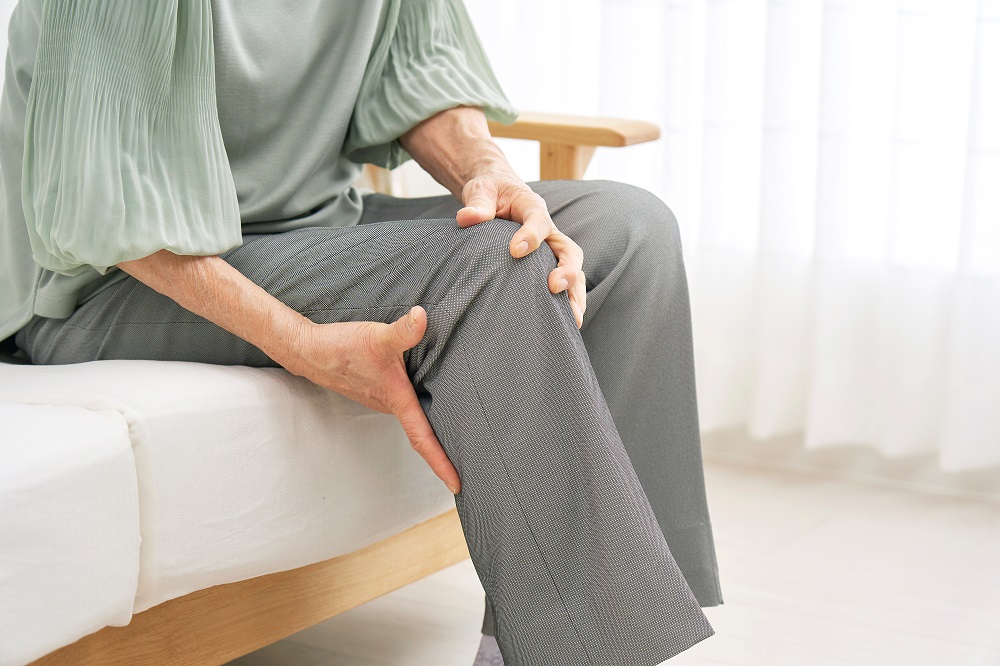
Older adult seated on a sofa holding one knee with both hands from joint discomfort

Pain in the Joints Can Have Lifestyle and Age-Related Factors

The joints can sustain a lot of strain over the years. Consider how much strain a single knee or ankle joint sustains over the course of a year. These joints bear the brunt of your body weight, so age-related joint pain is a possibility. Over the years, the mechanisms that make up the joint can become worn and somewhat damaged.

Joint strain can occur due to being overweight, leading an athletic lifestyle, or simply repetitive movements. For example, runners frequently contend with knee pain, and overweight individuals can be more likely to experience pain in the hips.

You may also have more pain in your joints if:

  • You lead a more sedentary lifestyle
  • You eat a high-sodium diet
  • You stand for long hours on hard surfaces
  • You have a joint that has sustained some kind of trauma in the past

Why Joint Pain can be Hard to Treat with Traditional Medicine

Joint pain can have so many underlying causes to consider. Most traditional treatments for pain associated with the joints are aimed at easing the symptoms, but not really doing anything to target the problem causing the pain. For example, prescription pain medications don’t target the problem; they simply change the way the pain is perceived by the brain. If you stop taking the medication, the pain in the joints returns and you still have the same problem.

Many doctors do examine the patient to determine what could be causing the pain, but treatments are often limited to taking medications to mask the symptoms or performing some type of surgery. While surgery on damaged joints is sometimes necessary, alternative treatments can be the more logical solution for some individuals.

How Chiropractic Care can Help with Joint Pain in Boca Raton

The most effective way to achieve joint pain relief is by examining the underlying cause and concurrently targeting that specific cause when possible. While joint-related pain and discomfort can be simply a matter of making some lifestyle adjustments, in many cases, something is going on within the musculoskeletal system to exacerbate the issue. A chiropractor specifically looks at the underlying factors that could be contributing to joint pain. Then, they can work toward helping ease the affective issue so pain relief is a natural side effect.

A few ways a chiropractor may help you with pain in the joints include:

  • Performing chiropractic adjustments on the spine for joint pain relief
  • Assessing how spinal nerves could be adding undue stress to certain bodily joints
  • Targeting specific joints with adjustments meant to realign the joint and relieve tension or inflammation
  • Offering deep tissue massage to help soothe inflammation

Chiropractic care is all about taking a more natural approach to helping with an issue, usually a drug-free approach. The doctor will do a thorough assessment of your musculoskeletal system, the joints causing pain, and your medical history to determine what issues could be at play.

Many patients who come in for treatment for seemingly unrelated issues, such as low back pain, find that their joints seem to move freer after an adjustment. The spinal column is directly affective on all other bones and joints, their range of motion, and even how they feel or how much inflammation can occur in the area.

Find Joint Pain Relief in Boca Raton at Shadowood Chiropractic Center

Pain in the joints can really hinder your quality of life, but chiropractic treatment may help you find joint pain relief in Boca Raton, FL. No matter your age, joint-related discomfort should be addressed to determine if factors are making the issue worse. If you are looking for a natural way to ease pain in your joints, reach out to us at Shadowood Chiropractic Center to schedule an appointment.

Request Appointment