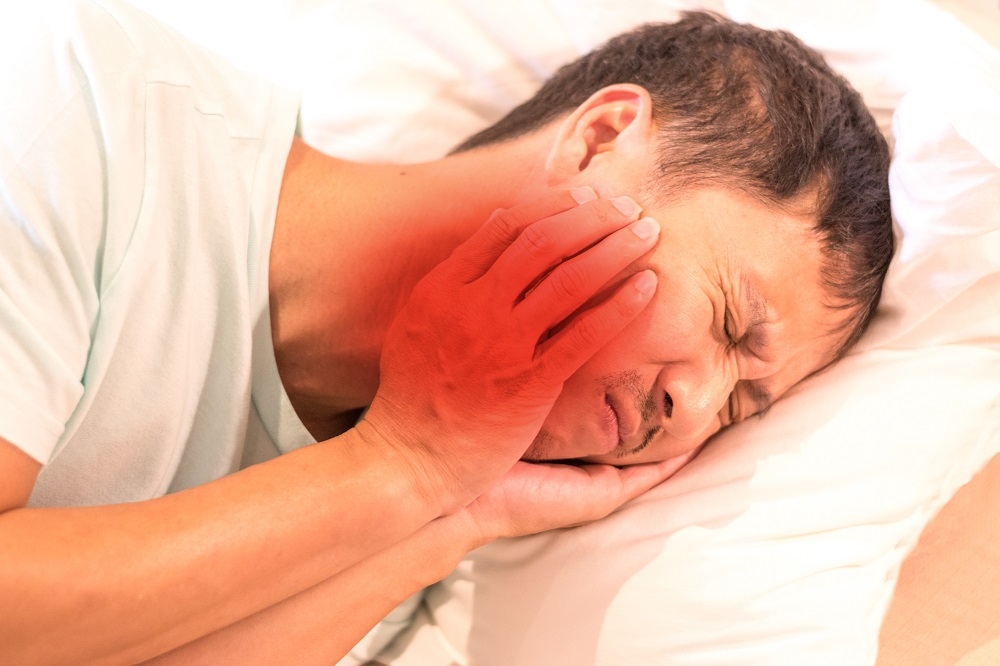
Understanding the Causes of TMJ and TMD
Temporomandibular joint disorder, variously referred to as “TMJ” or “TMD,” is caused by misalignment, strain, and/or wear of the small joint that attaches the jawbone to the skull. This complex joint is cushioned by cartilage and surrounded by connective tissues that enable it to open and close the jaw as well as sliding the jaw forward and backward. As you might imagine, this joint is sensitive to injuries, ailments, and alignment problems. When it is not working smoothly, you may experience:
- Trouble opening your mouth wide
- Difficult or uncomfortable chewing
- Tinnitus
- Toothache symptoms
- Clicking or popping noises when the joint moves
- Periods of discomfort and inflammation in the joint
TMD Is a Group of Jaw Joint and Muscle Conditions
The National Institute of Dental and Craniofacial Research explains that temporomandibular disorders cause pain and dysfunction in the jaw joint and the muscles that control jaw movement, and that “TMJ” refers to the jaw joint itself. It lists pain in the chewing muscles or jaw joint as the most common symptom, along with jaw stiffness, painful clicking, popping, or grating, and limited movement or locking of the jaw. It adds that many TMDs last only a short time and go away on their own. This supports the point above about the symptoms a jaw joint that is not working smoothly can cause.
National Institute of Dental and Craniofacial Research (NIDCR), National Institutes of Health (NIH), “TMD (Temporomandibular Disorders)”
An incorrect bite (malocclusion), bruxism (clenching or grinding the teeth) or an impact to the jaw can all be linked to TMJ. Rheumatoid arthritis and myofascial pain are other possible factors. Years of chronic or recurring jaw misalignment can contribute to wear in the joint, which can increase discomfort and other symptoms.